
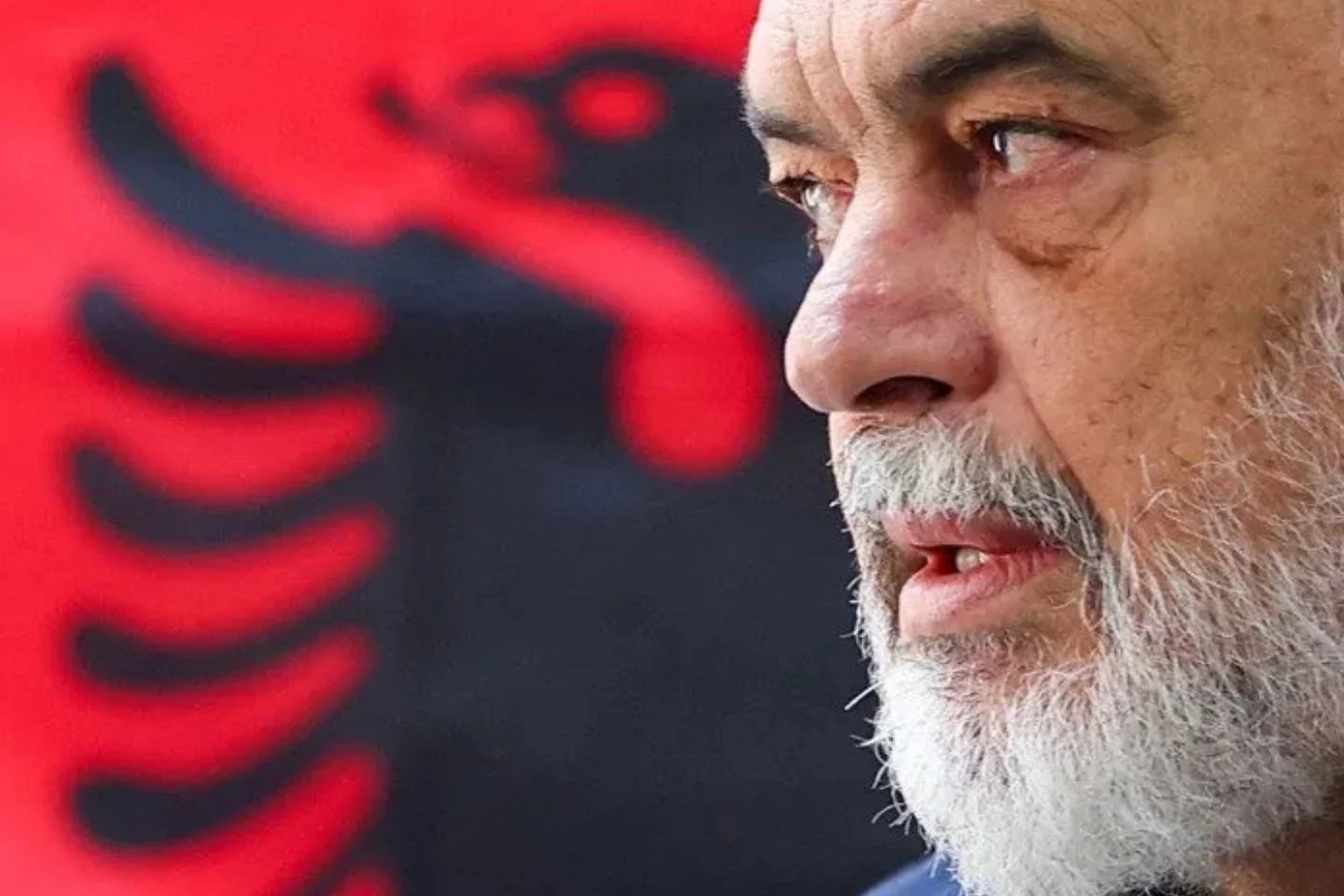

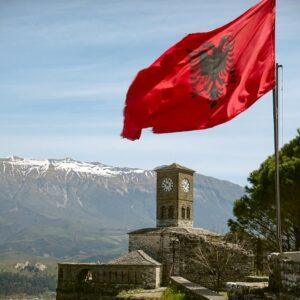



A country caught between a new beginning, mistrust, corruption, crime, and the hope for genuine rule of law – Albania finds itself in a politically delicate but historic phase. While the government emphasizes stability and touts the EU accession process as a success story, there are increasing signs of a profound upheaval within the system. Corruption allegations against high-ranking politicians, investigations by the Special Prosecutor’s Office (SPAK), and an increasingly mobilized opposition indicate that the country is at a turning point. Whether this will result in a sustainable reform process – or merely another cycle of political power struggles – remains to be seen.
Power, corruption, and a system under pressure
For years, corruption has been considered one of Albania’s central structural problems. International reports, investigative research, and domestic proceedings paint a picture of a political system in which power, economic interests, and informal and sometimes criminal networks repeatedly overlap. Numerous observers accuse criminal structures of having supported political actors for years – whether through financing, exerting influence or mutual protection.
Edi Rama’s government regularly rejects these accusations and points to reforms in the judiciary, in particular the work of the Special Prosecutor’s Office (SPAK). Indeed, the establishment of SPAK is one of the most visible results of the EU-supported judicial reform.
In October 2024, Spiegel editor Walter Mayr published an article entitled “Are Europe’s heads of government courting the wrong person?” Mayr writes: “Edi Rama is courted in the West – partly because he helps keep refugees out. His opponents say he has turned Albania into an autocracy dominated by drug money.”
SPAK – a beacon of hope with limitations
SPAK is officially considered independent and endowed with far-reaching powers. Investigations against ministers, former officials, and mayors would have been unimaginable just a few years ago. Proceedings against high-ranking individuals show that, at least formally, there is no longer complete political immunity. Belinda Balluku, Minister of Infrastructure and Energy, is often cited as an example. Investigations and audits by SPAK have made it clear that even incumbent ministers can come under scrutiny. At the same time, lawyers and NGOs criticize the fact that political responsibility does not automatically lead to legal consequences. Proceedings are protracted, indictments are delayed, and it is not uncommon for the impression to arise that certain actors ultimately remain protected from full judicial scrutiny. This ambivalence weakens confidence in the self-cleansing process.
Credits: APA



Recent Comments